Over-plucked brows that never recovered
Years of tweezing in the nineties and two-thousands permanently damaged follicles. Microblading covers it, but it is pigment: it fades and must be redone. A transplant uses your own hair, and it grows.
Istanbul
Eyebrows are all I do. That’s why I spend time designing your brow before it’s transplanted, not after.
Same-day reply. Send a photo and I will tell you honestly.

Azin Asgari
Eyebrow Transplant in Istanbul
If your hair loss is still active, transplanting now risks wasting grafts on a brow that will keep thinning. If your expectations are for a shape your facial structure will not carry, I will say so at consultation rather than after. I would rather turn a patient away than perform a procedure that will disappoint them.
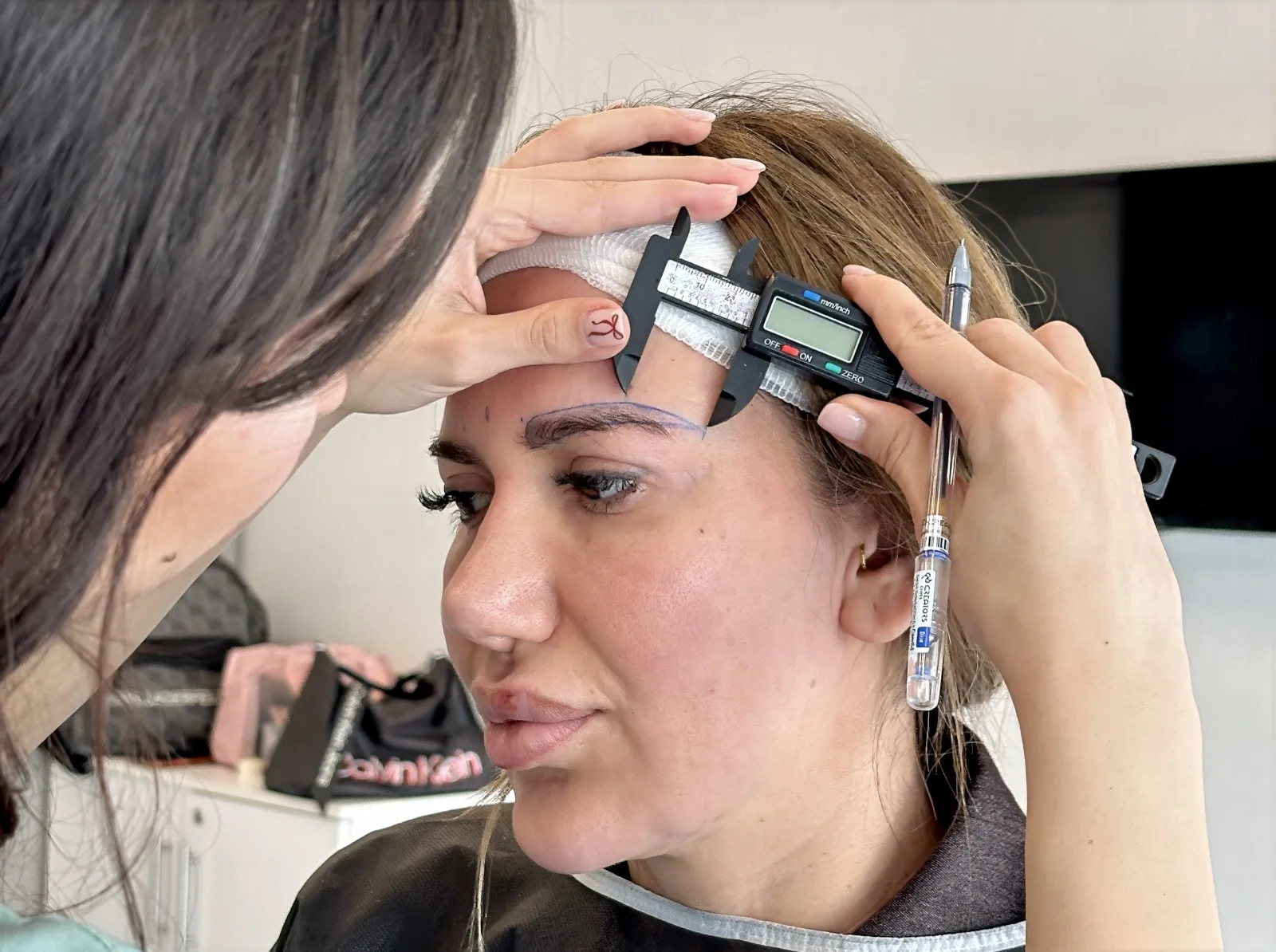
Read the candidacy criteriaBefore anything is placed, I draw and measure your brow against your own facial proportions — your bone structure, your eye position, how your face moves. You see it, you adjust it, you approve it. Nothing begins until you do.
Brow hair grows almost flat against the skin, and the direction changes across the brow. A graft placed at the wrong angle will grow upwards and always look transplanted. This is slow, deliberate work, and it is the difference between a brow that looks natural and one that does not.
I do not perform scalp transplants, beard transplants, or offer a menu of aesthetic procedures. Eyebrows are my entire practice. That focus is why I take fewer patients — and why I can honestly tell you when you are not one of them.
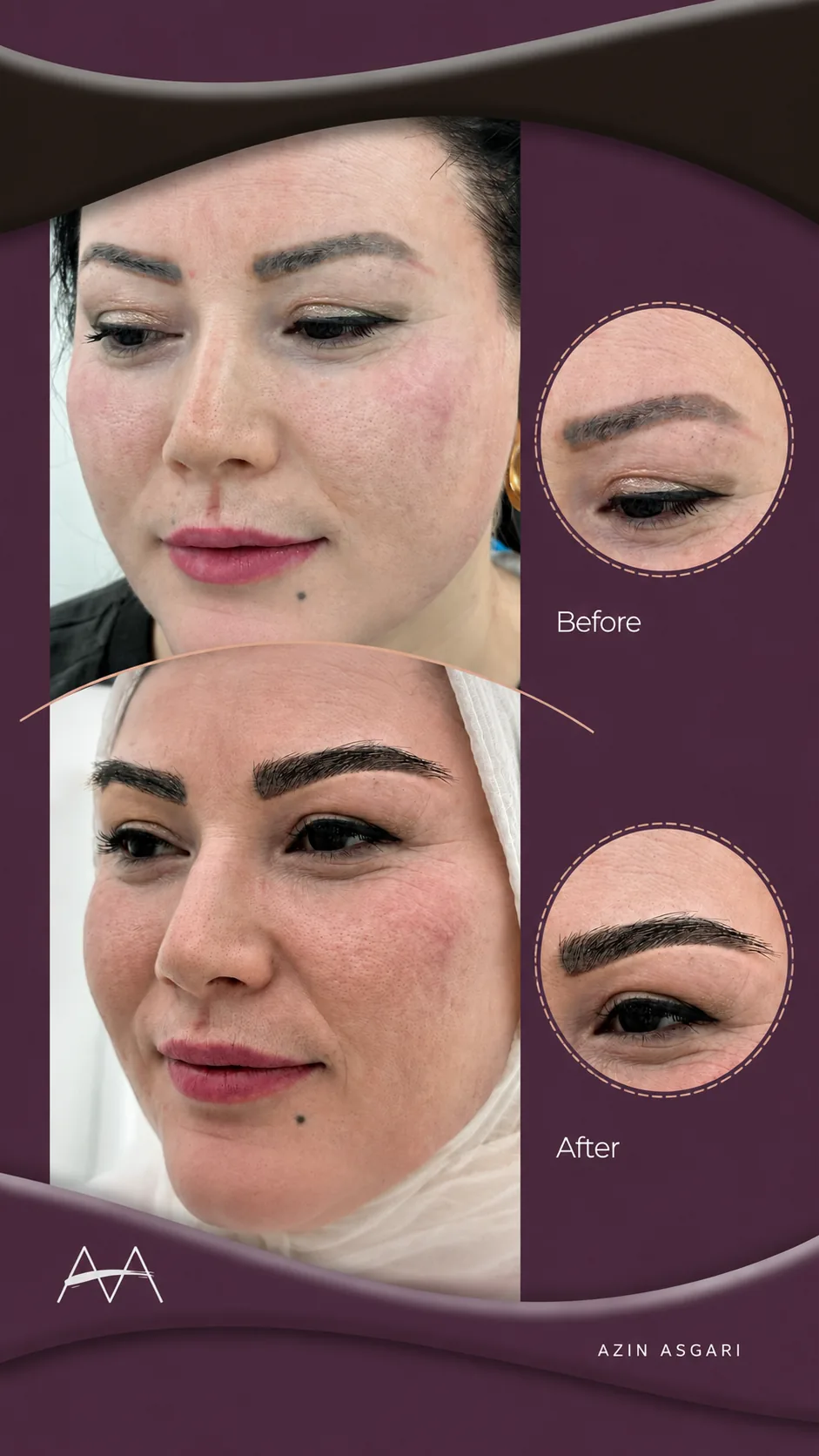
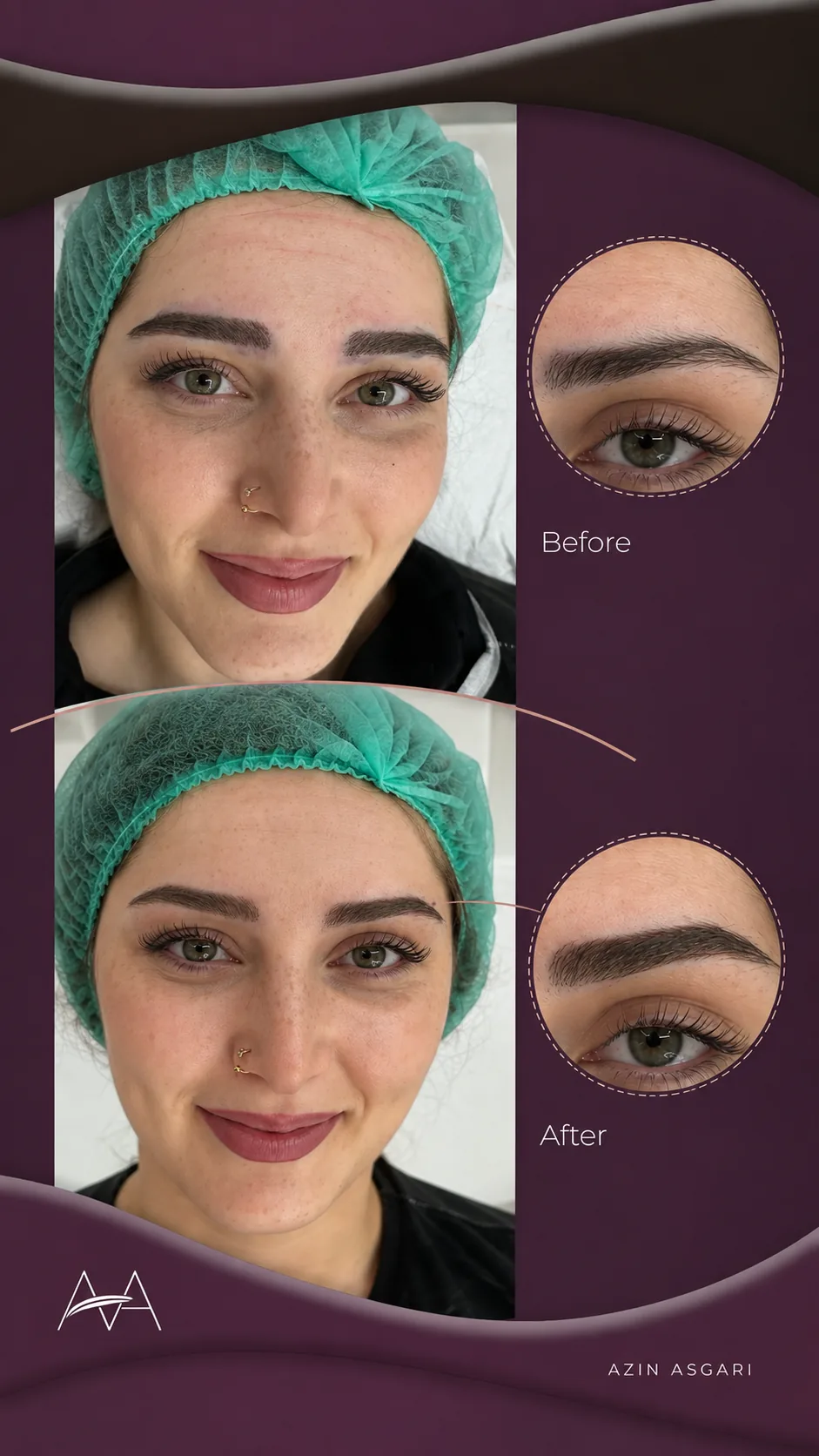
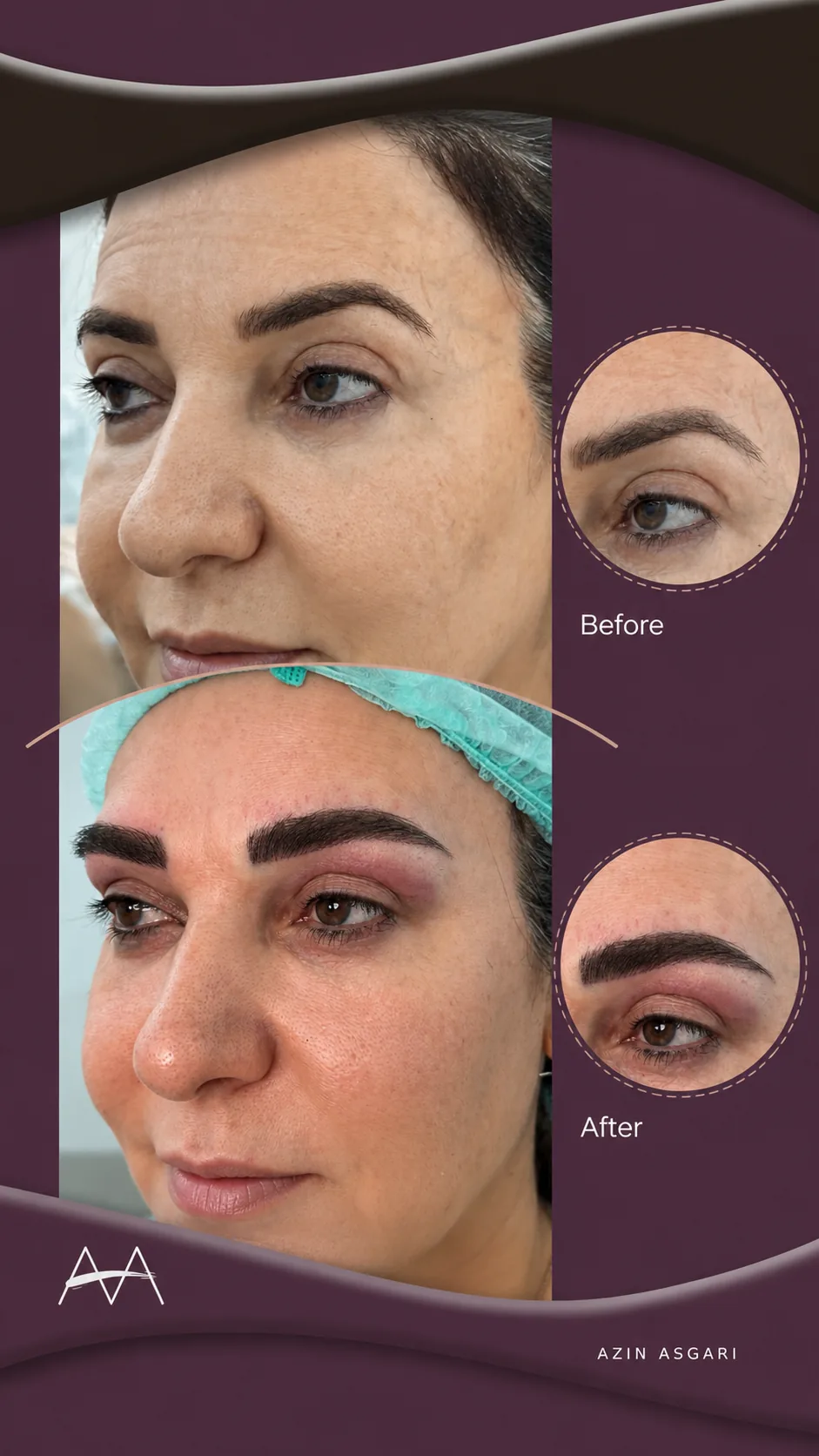
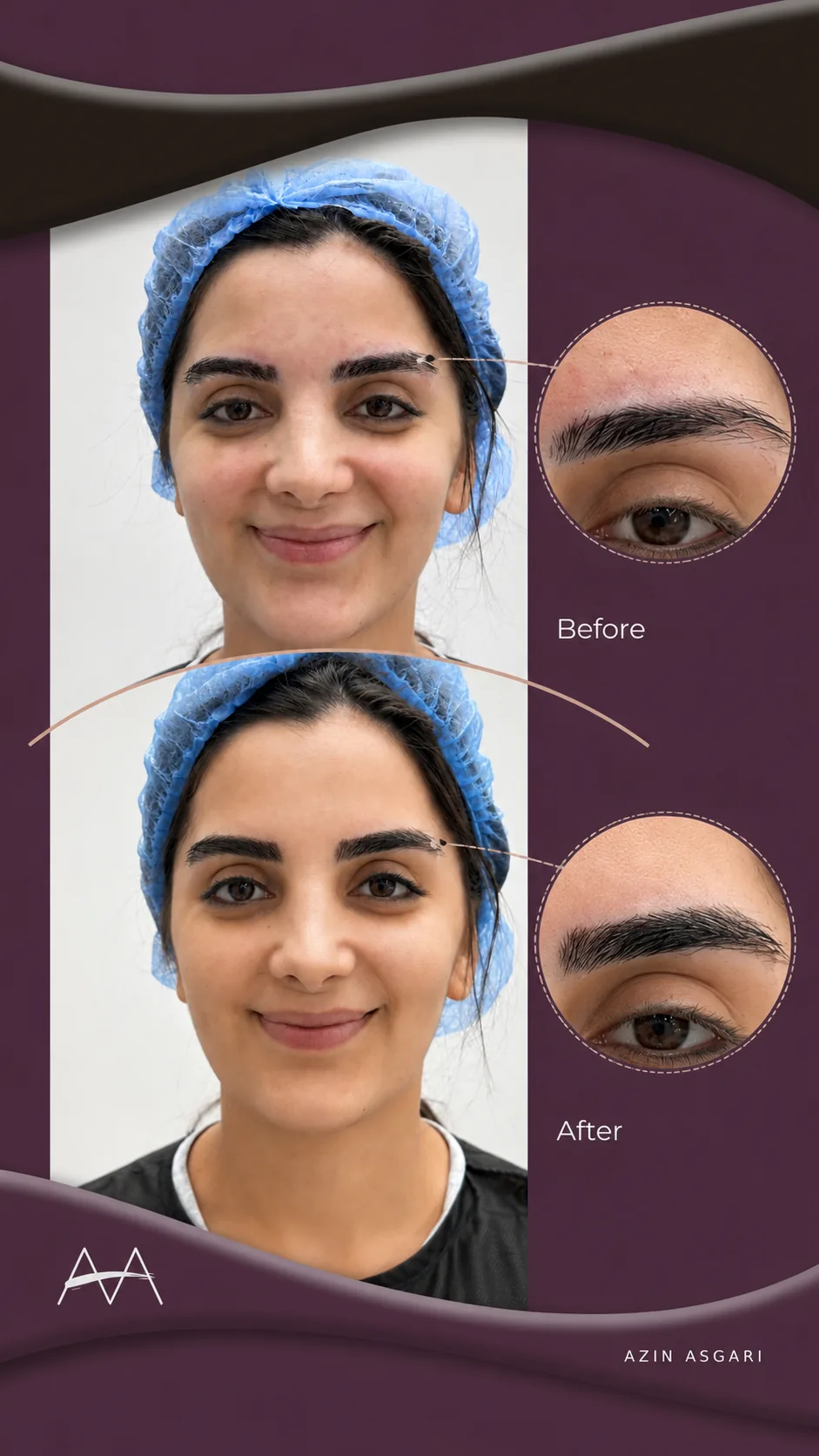
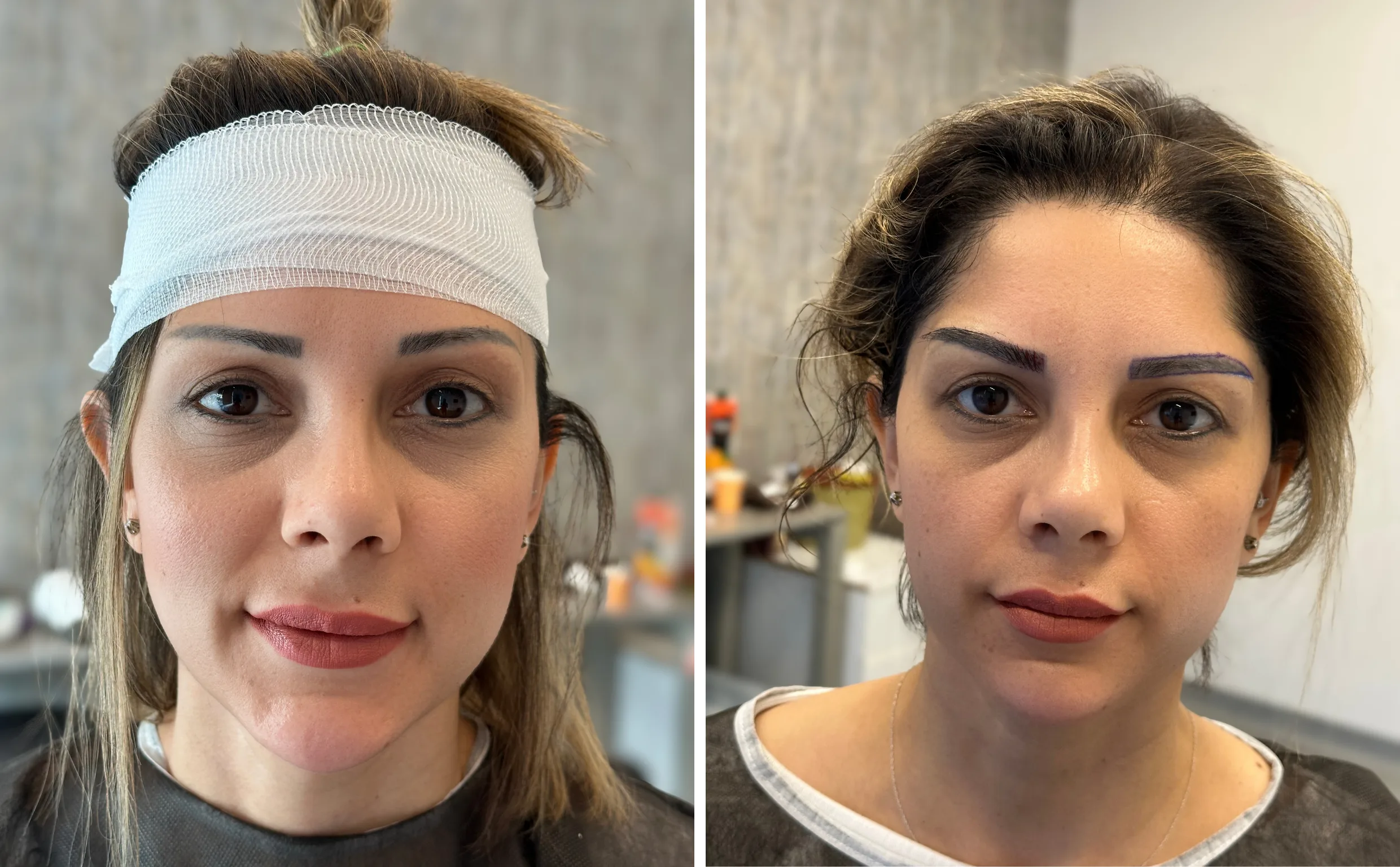
Above, the brows before the transplant; below, after it. We published these on our Instagram account. Results vary from person to person and develop over months.
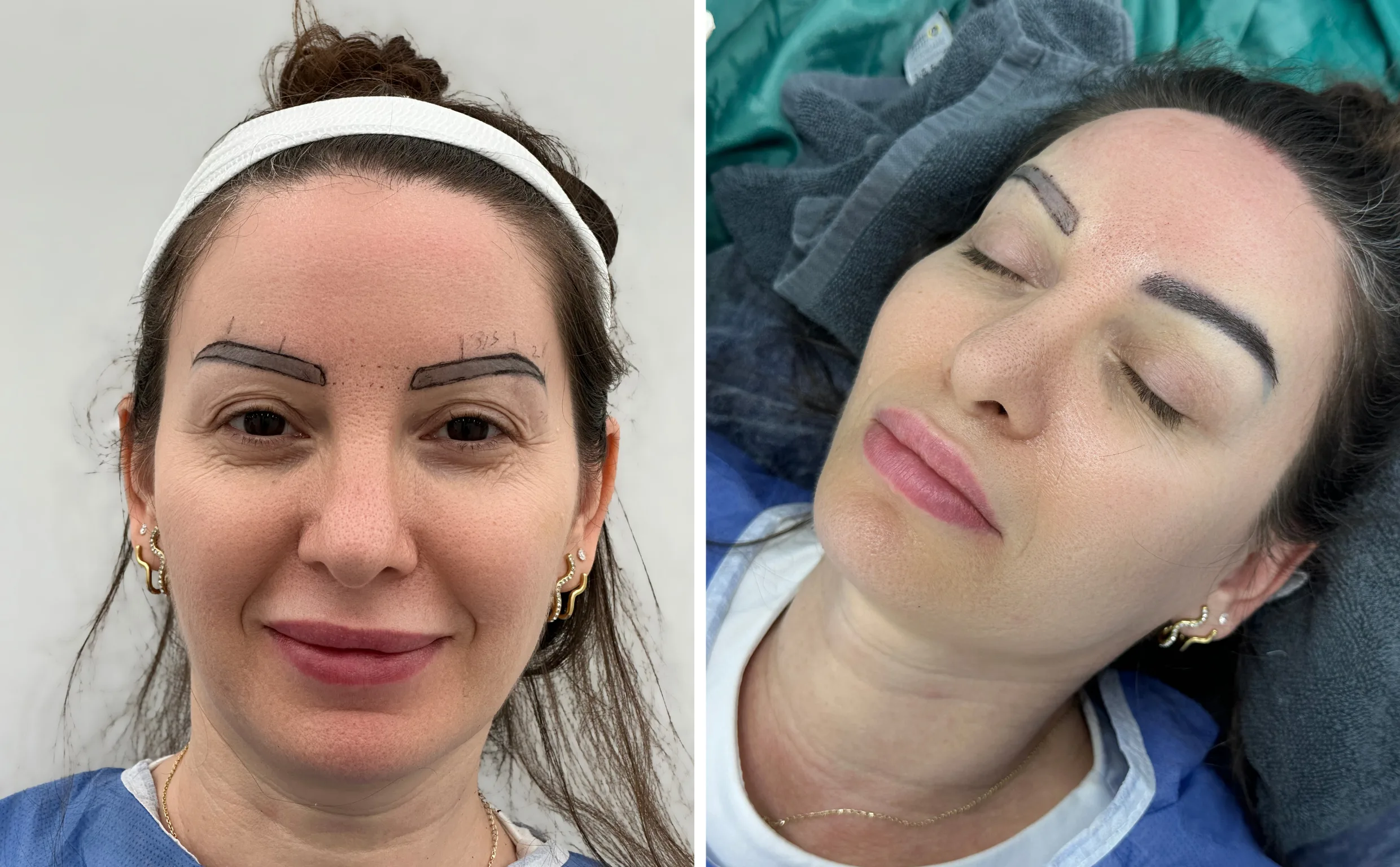
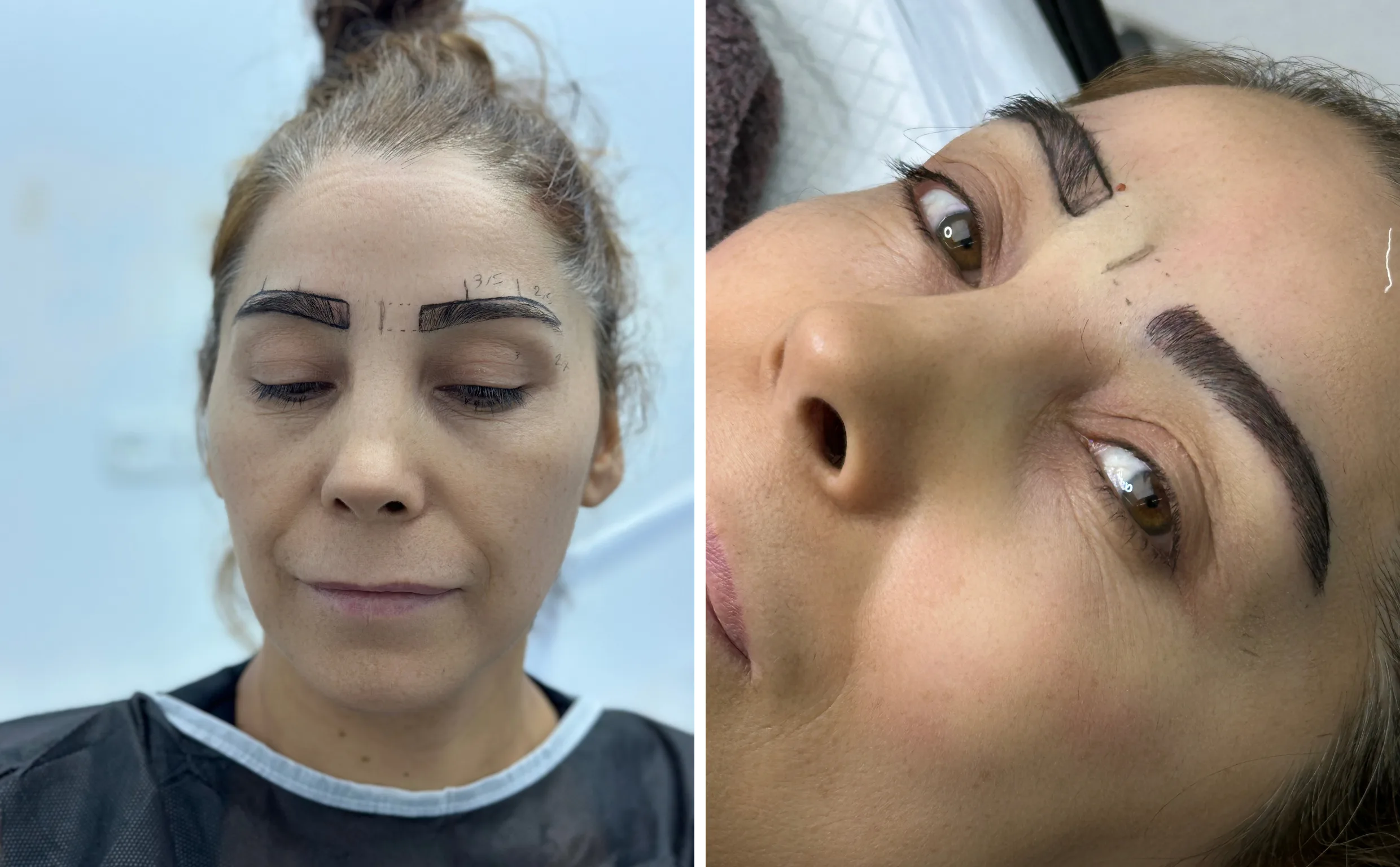
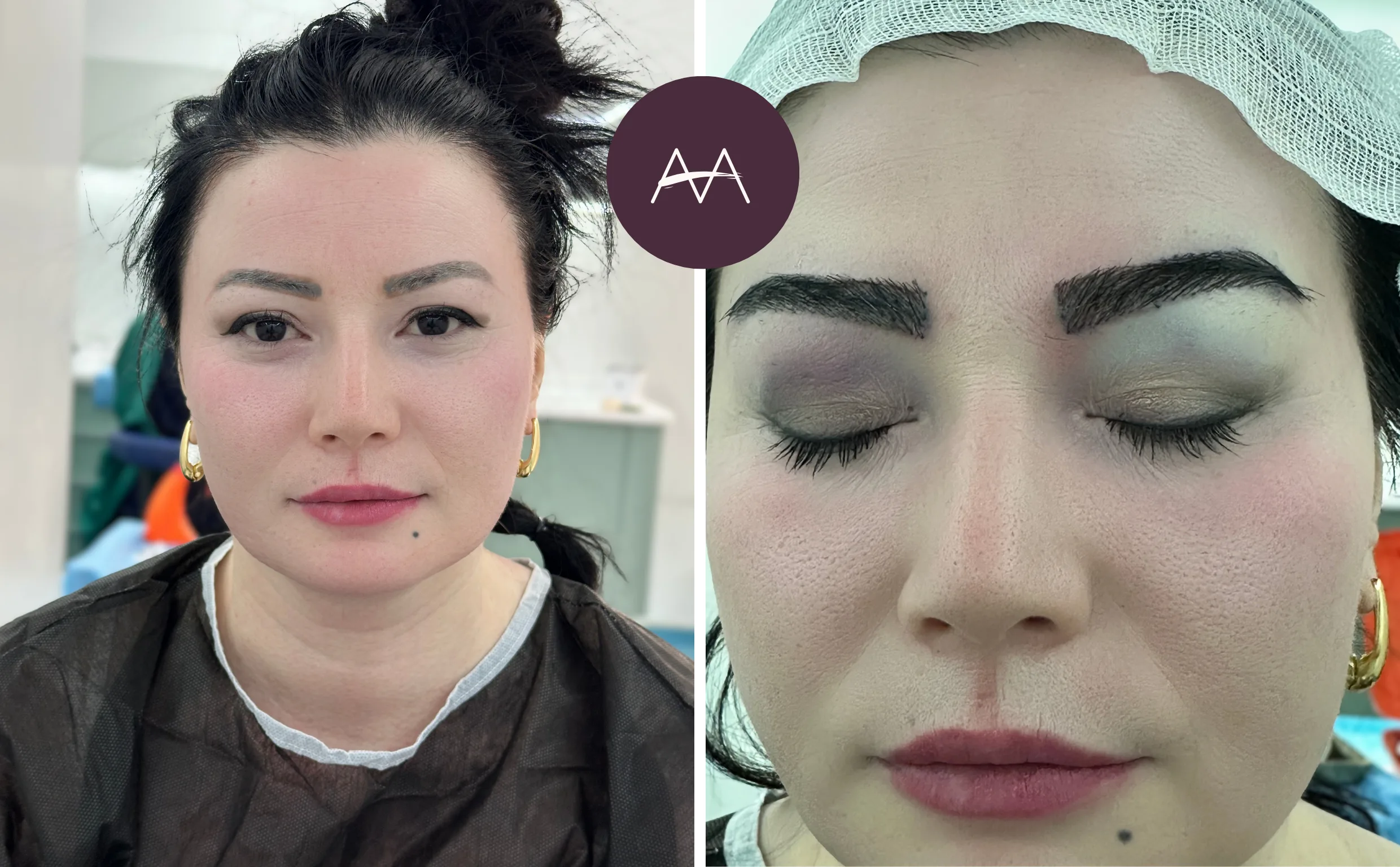
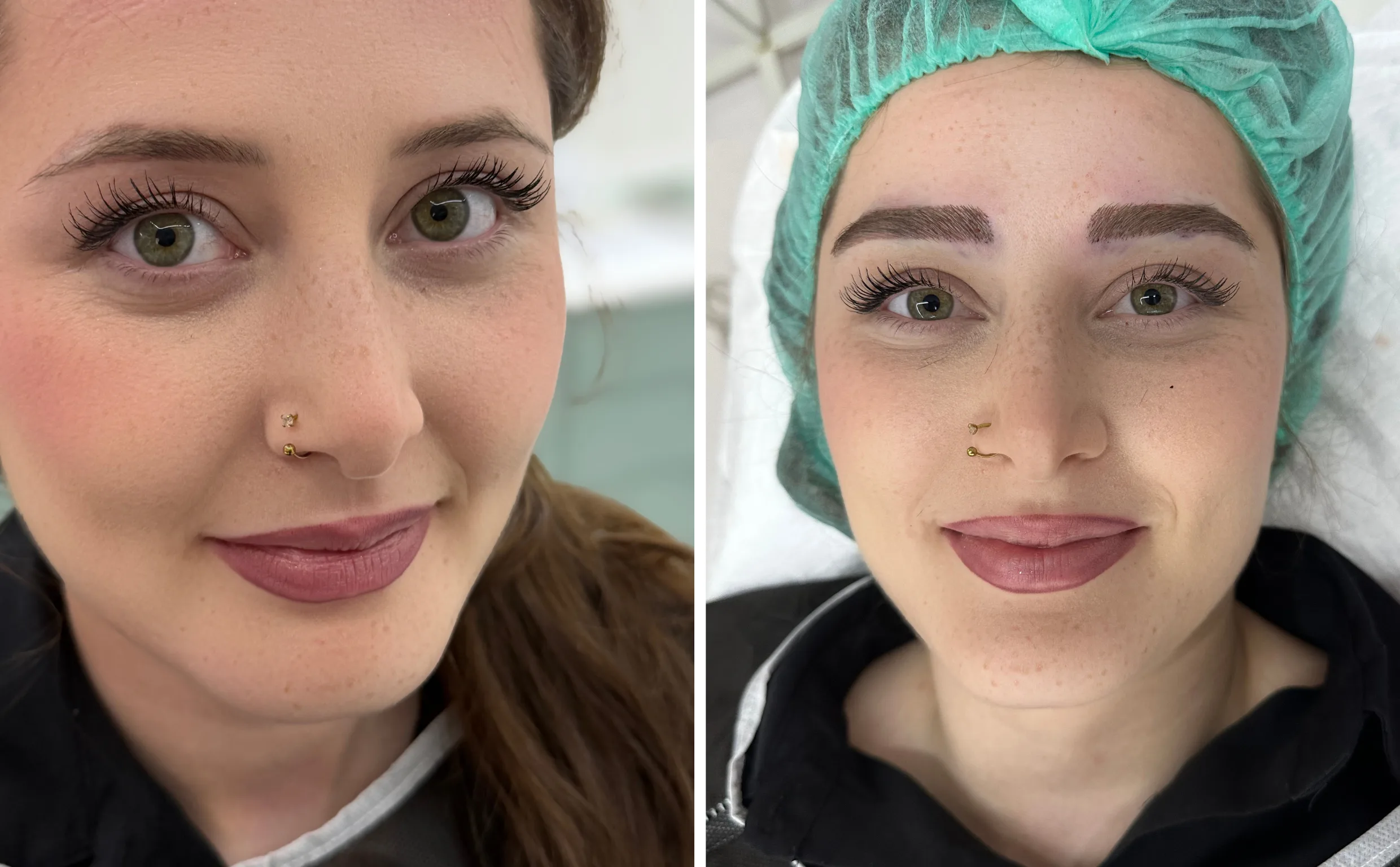
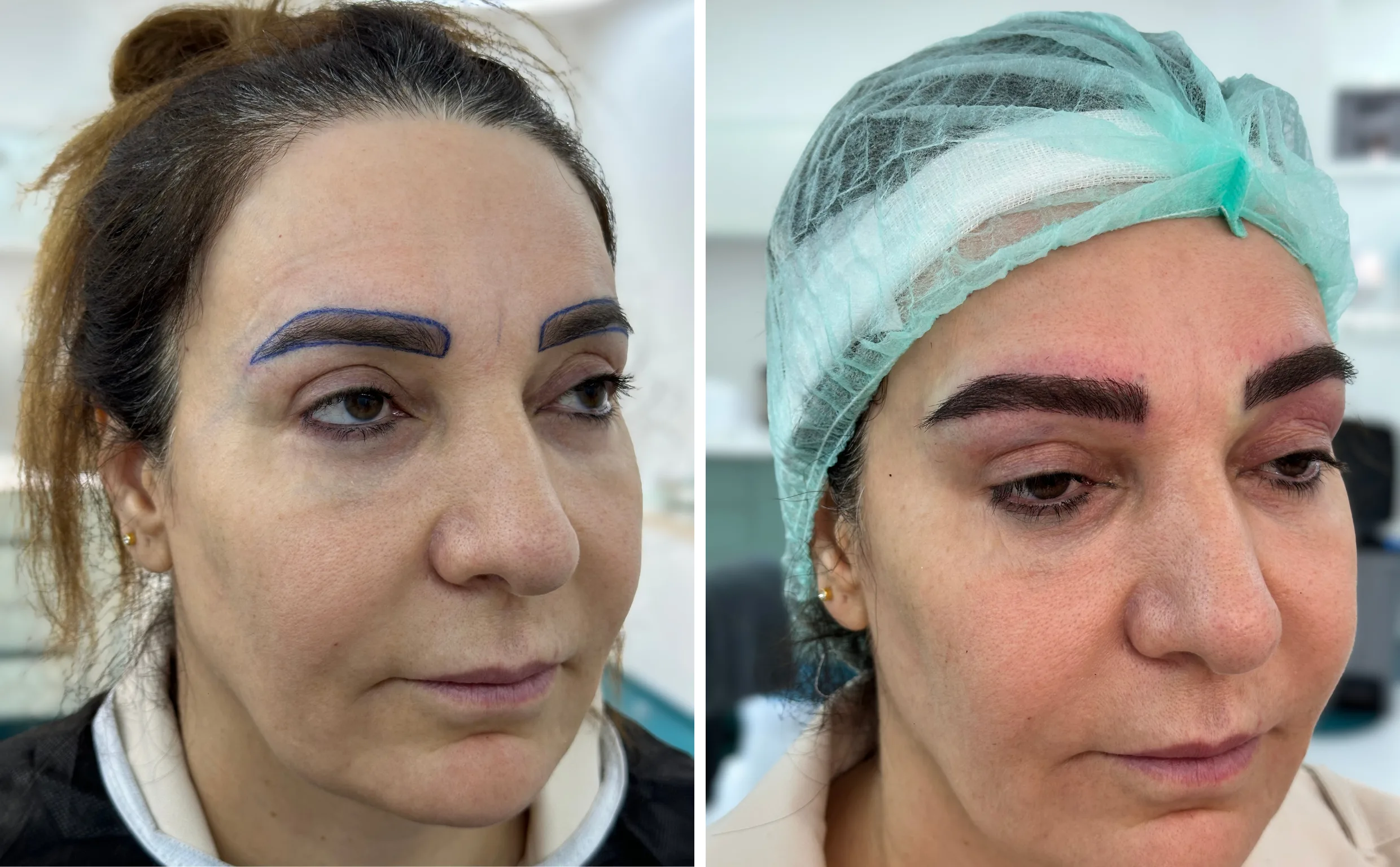
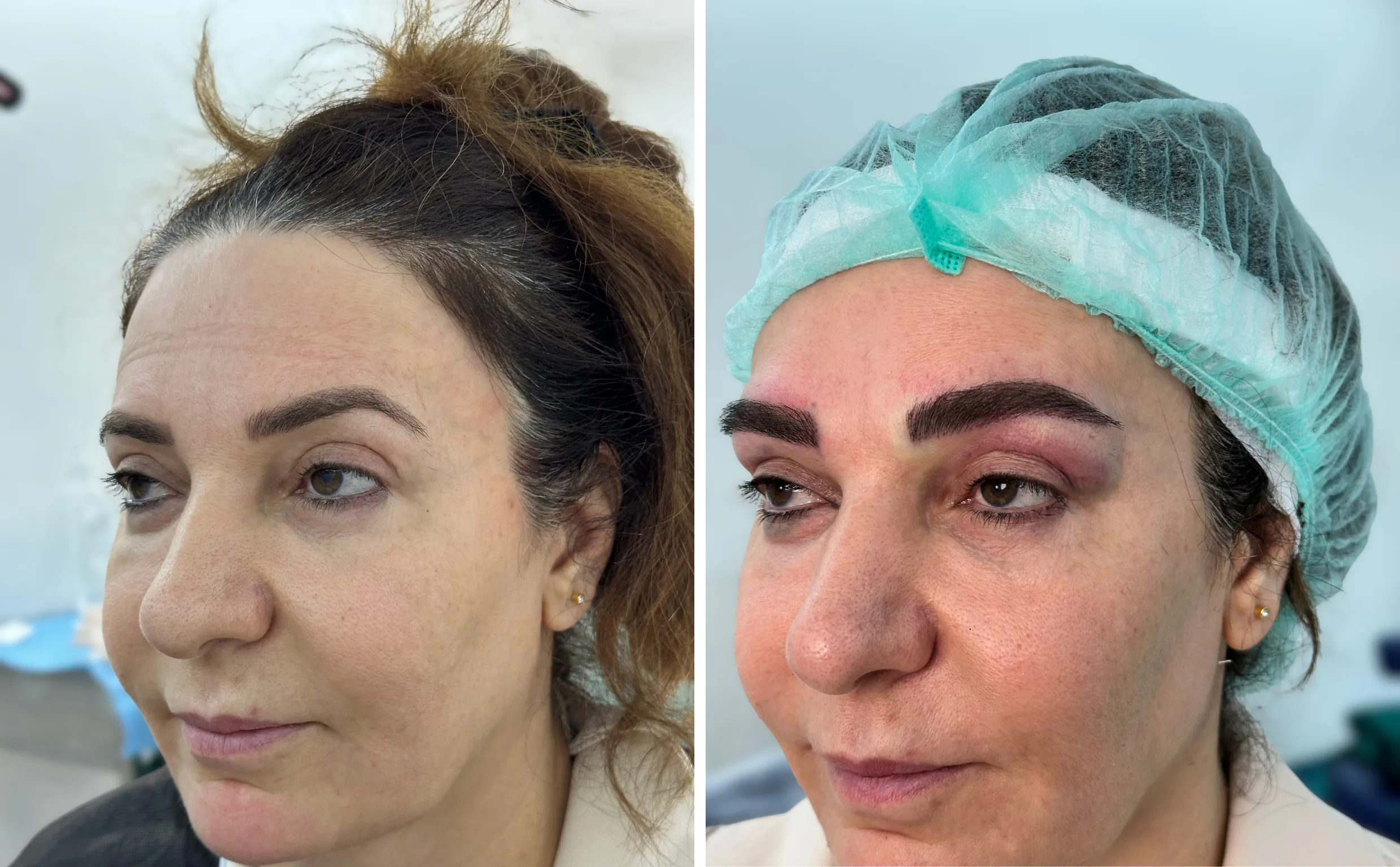
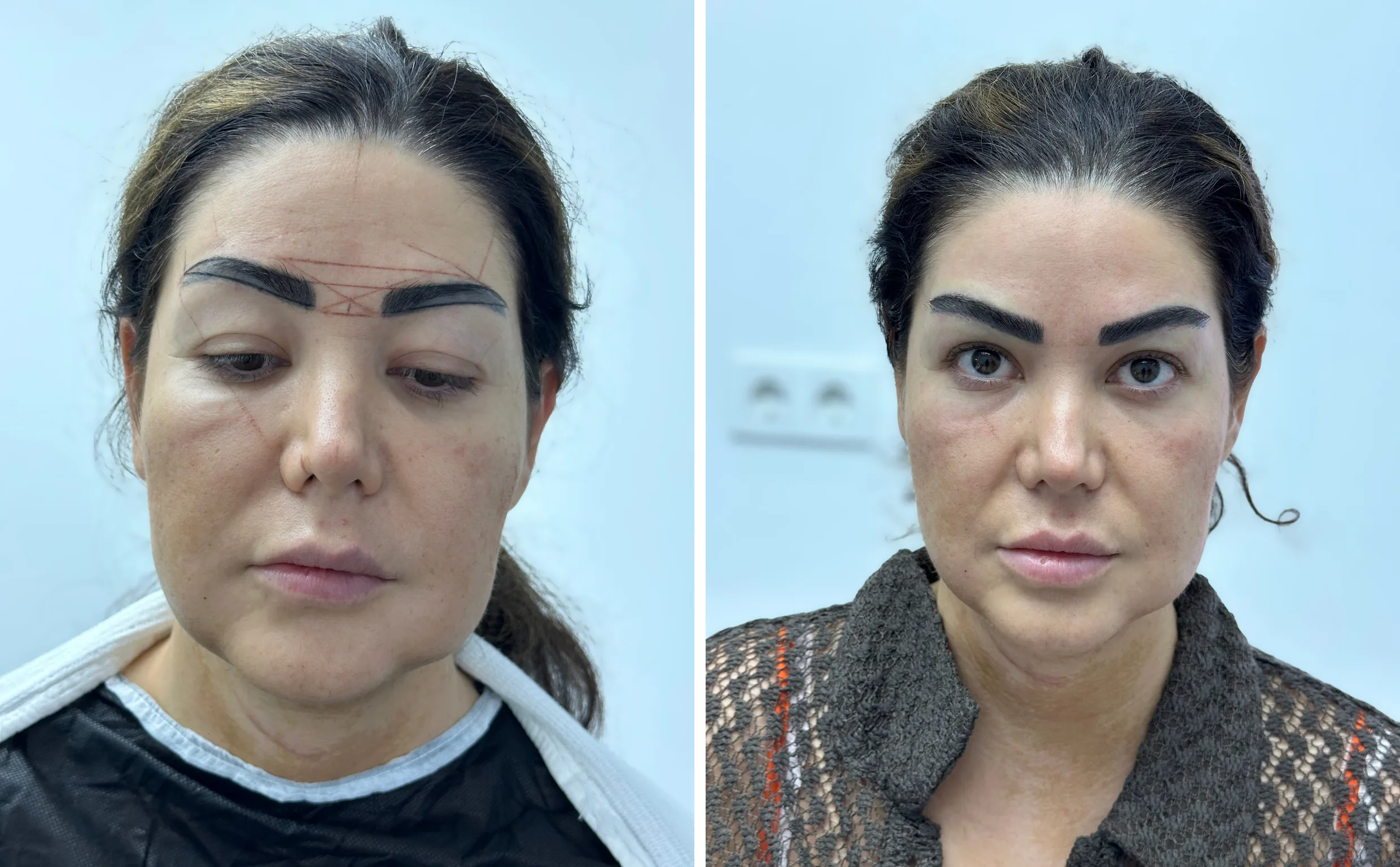
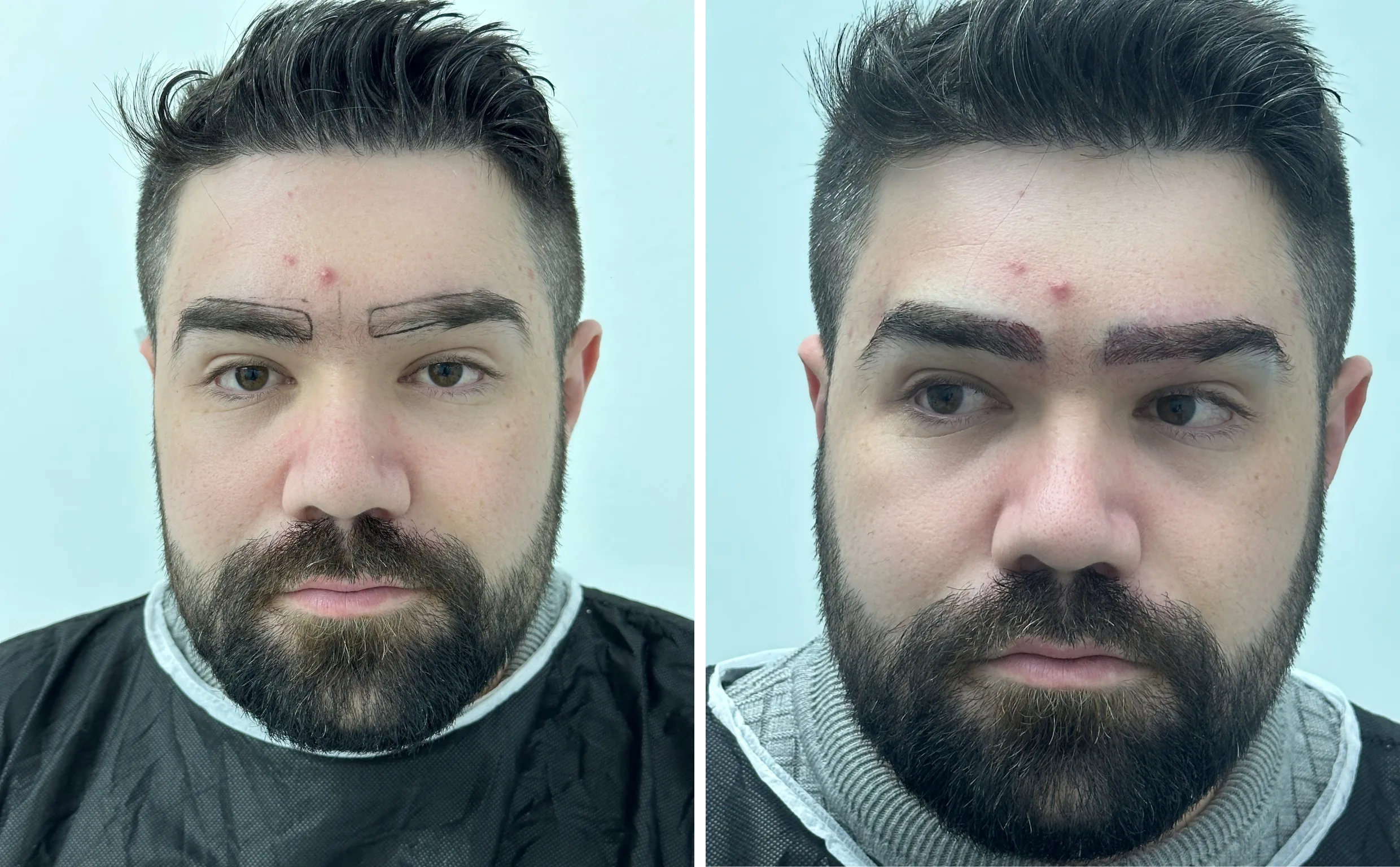
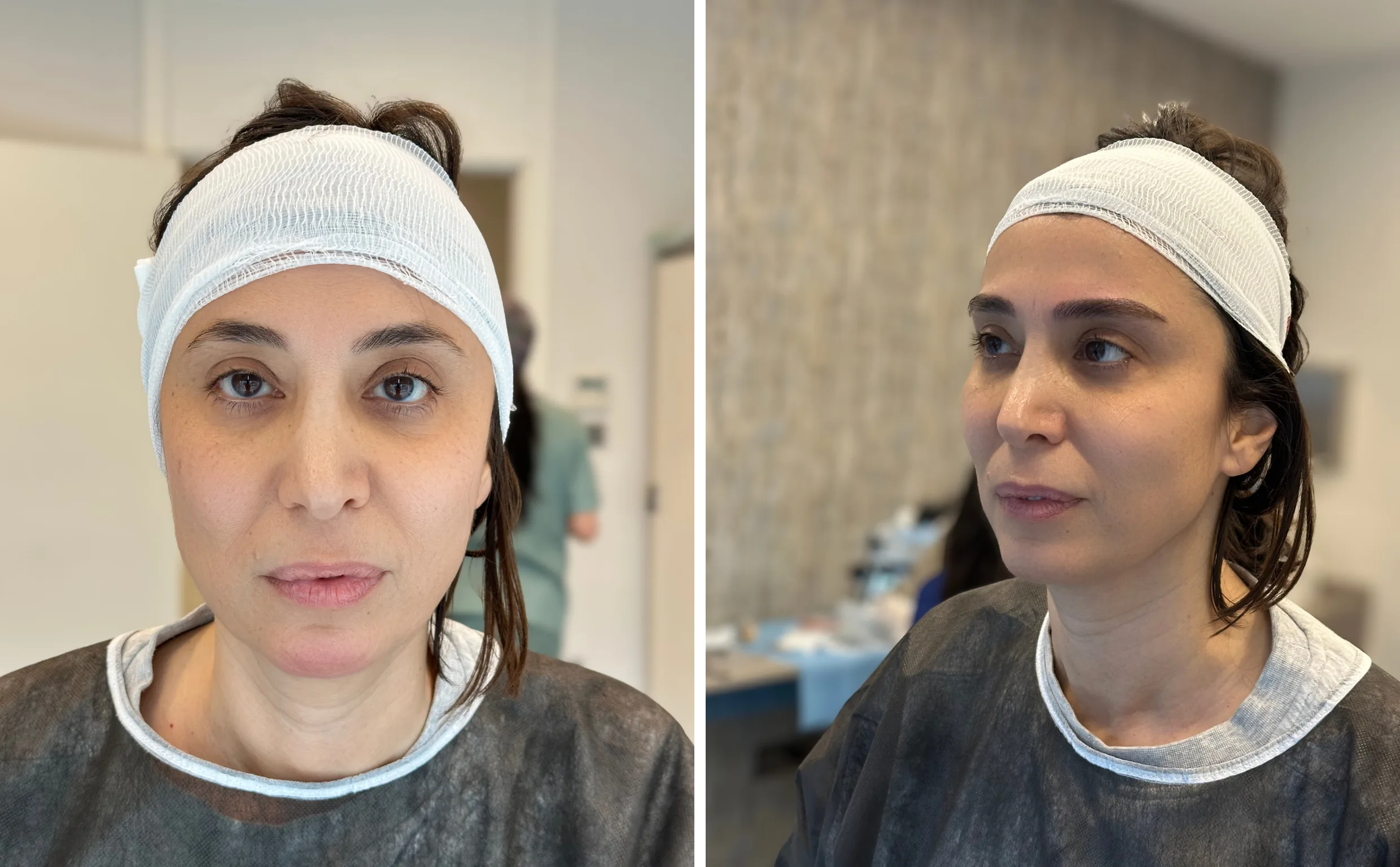
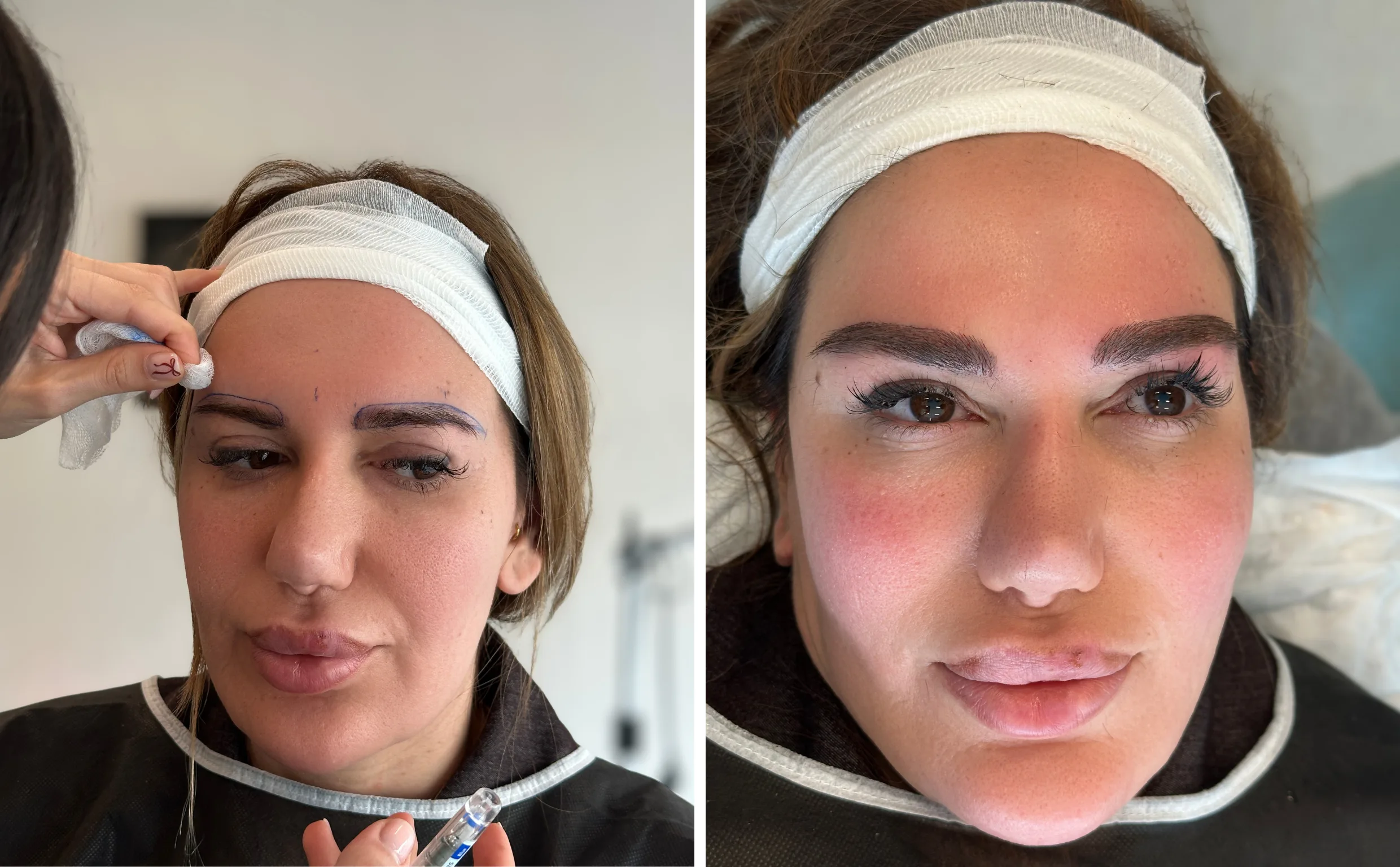
Left, the design; right, immediately after the grafts were placed — the same day. These are not results. Every image is published with the written consent of the person shown, unretouched, and was taken on the day of the procedure. The final result develops over months.
You send the consultation form. I ask what you have already tried, what happened to your brows, and what you actually want to achieve.
Same day, in most casesI assess your donor area, your existing brow density and whether any underlying cause needs to be addressed first. Some people are told to wait. Some are told no.
Video or in personOn the day, I map your brow shape to your facial proportions, and we agree on it together. Nothing is placed until you have approved the drawing.
Procedure day, before anything beginsLocal anaesthetic is used. You remain awake and comfortable throughout. Grafts are extracted and placed individually, each one angled to match your natural brow growth.
Duration is confirmed at your consultationSwelling, redness and crusting are part of the early healing, and how long they last differs from one person to the next. Many transplanted hair shafts shed before they regrow; this expected shedding does not, by itself, indicate graft failure. I go through the recovery timeline with you at your consultation, against your own case rather than an average.
Healing time differs from person to personI follow up at set intervals, including after you have flown home. The result is judged once the brow has grown in, not while it is still healing.
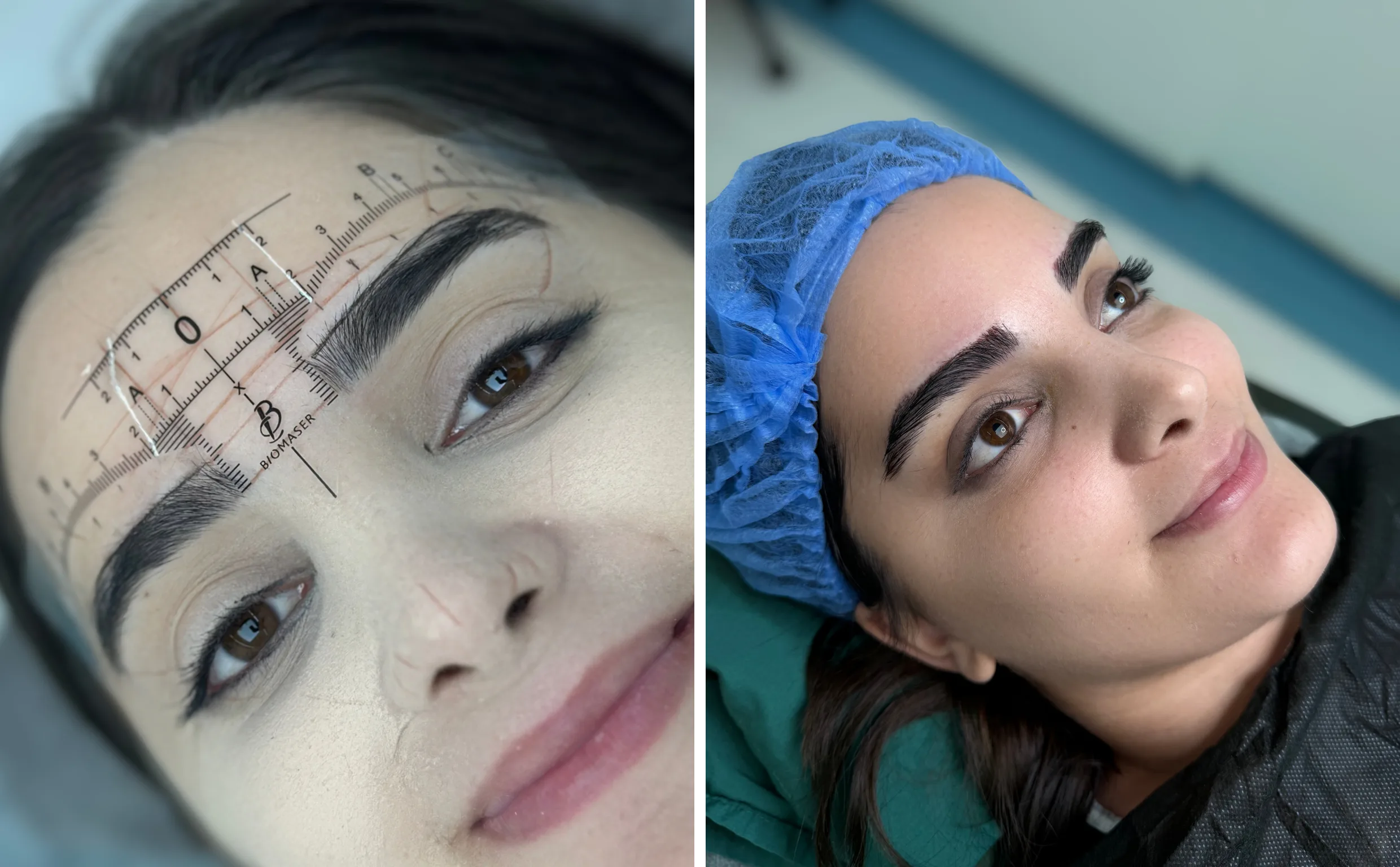
Continues after you return homeCalipers, ruler and pencil come out before every transplant. These frames are from a single procedure day: measuring, drawing, placing.
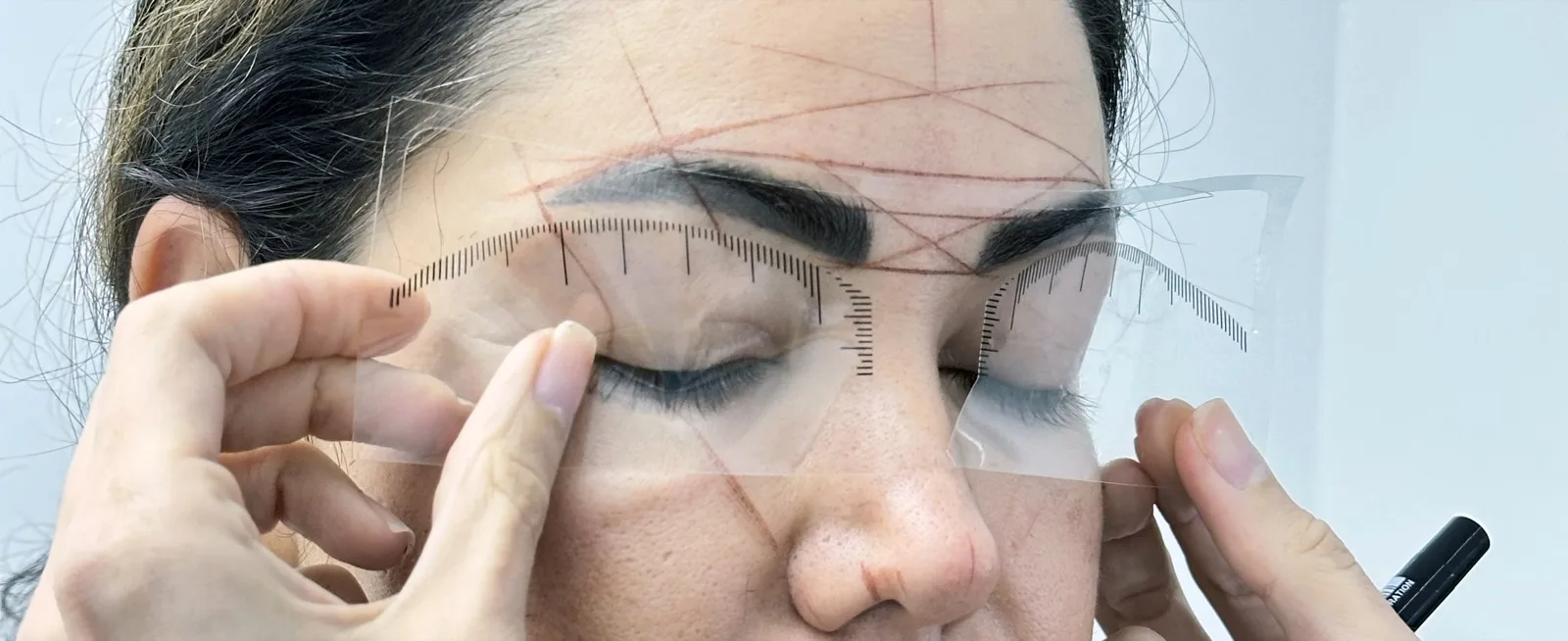
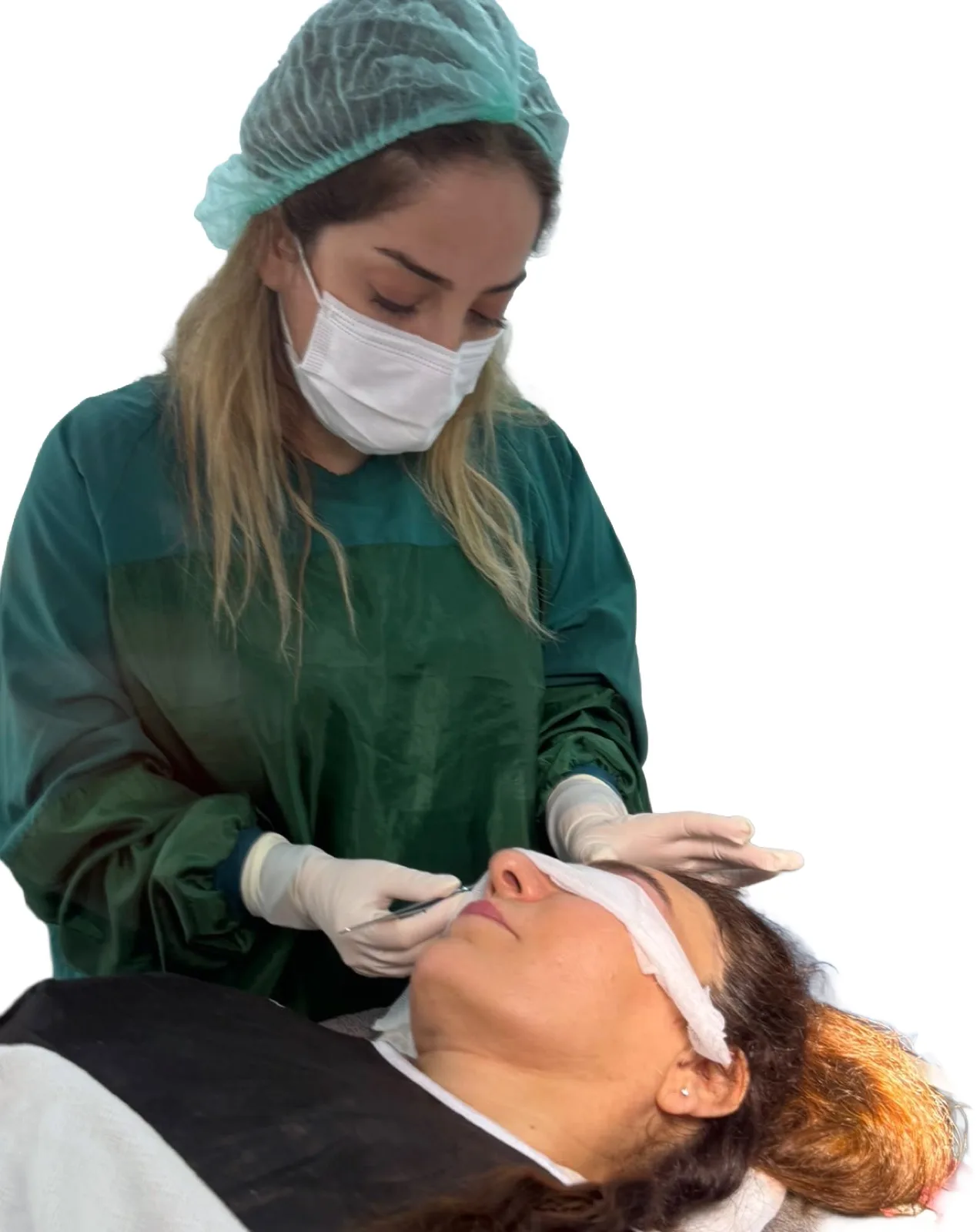
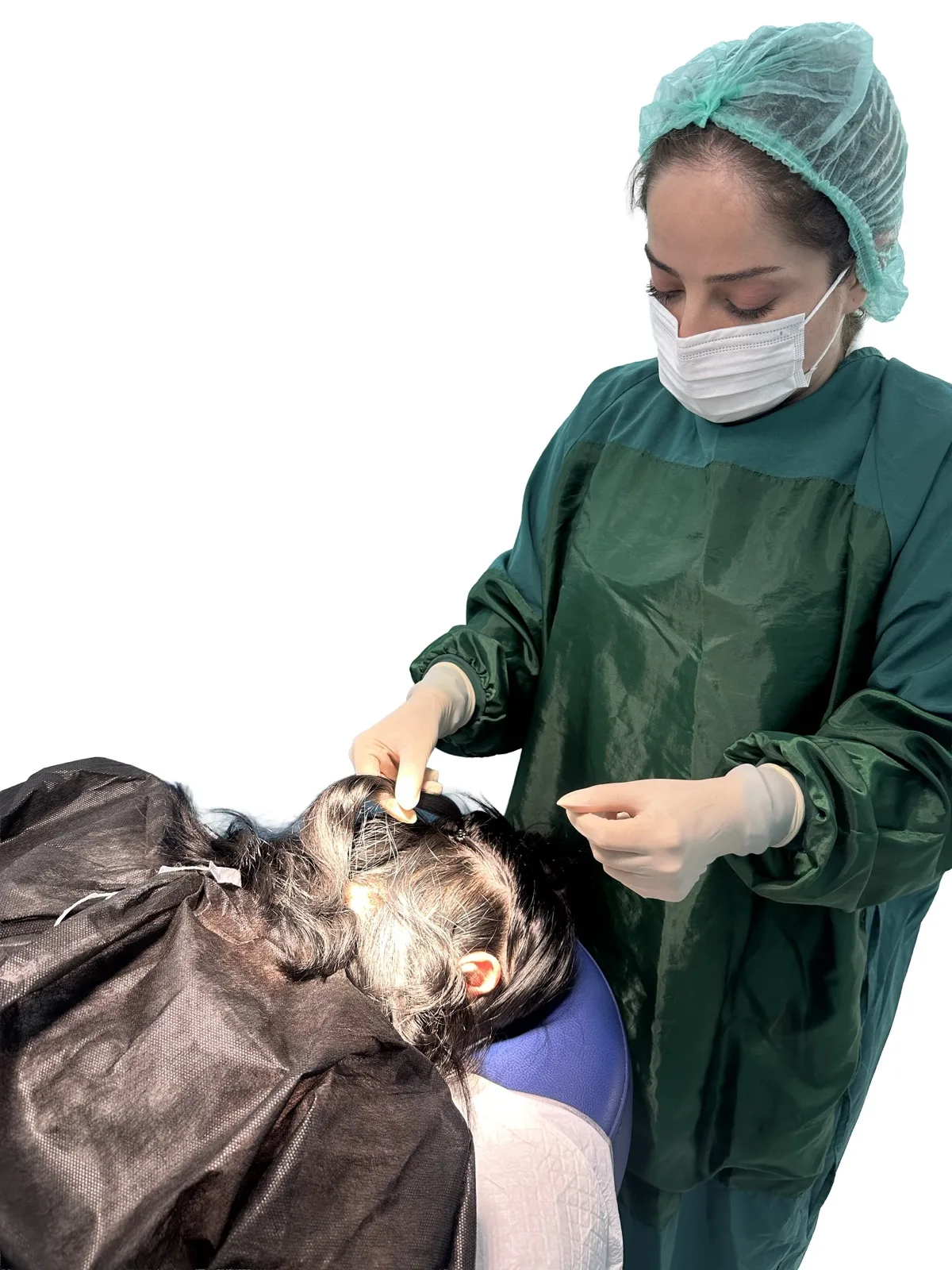
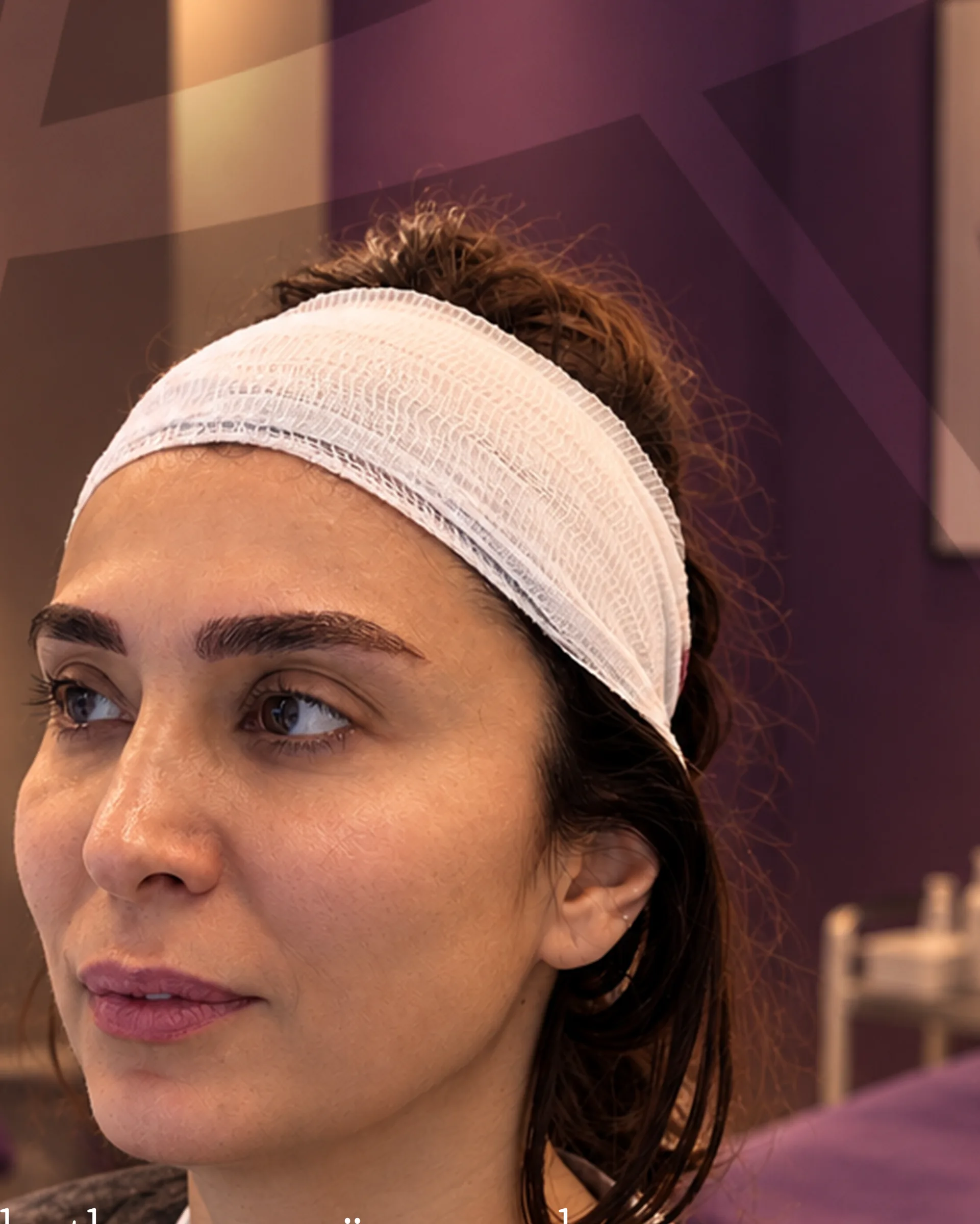
Photographs we published on our Instagram account: the design being drawn, the treatment room, and faces from the day. Scroll sideways to see them.
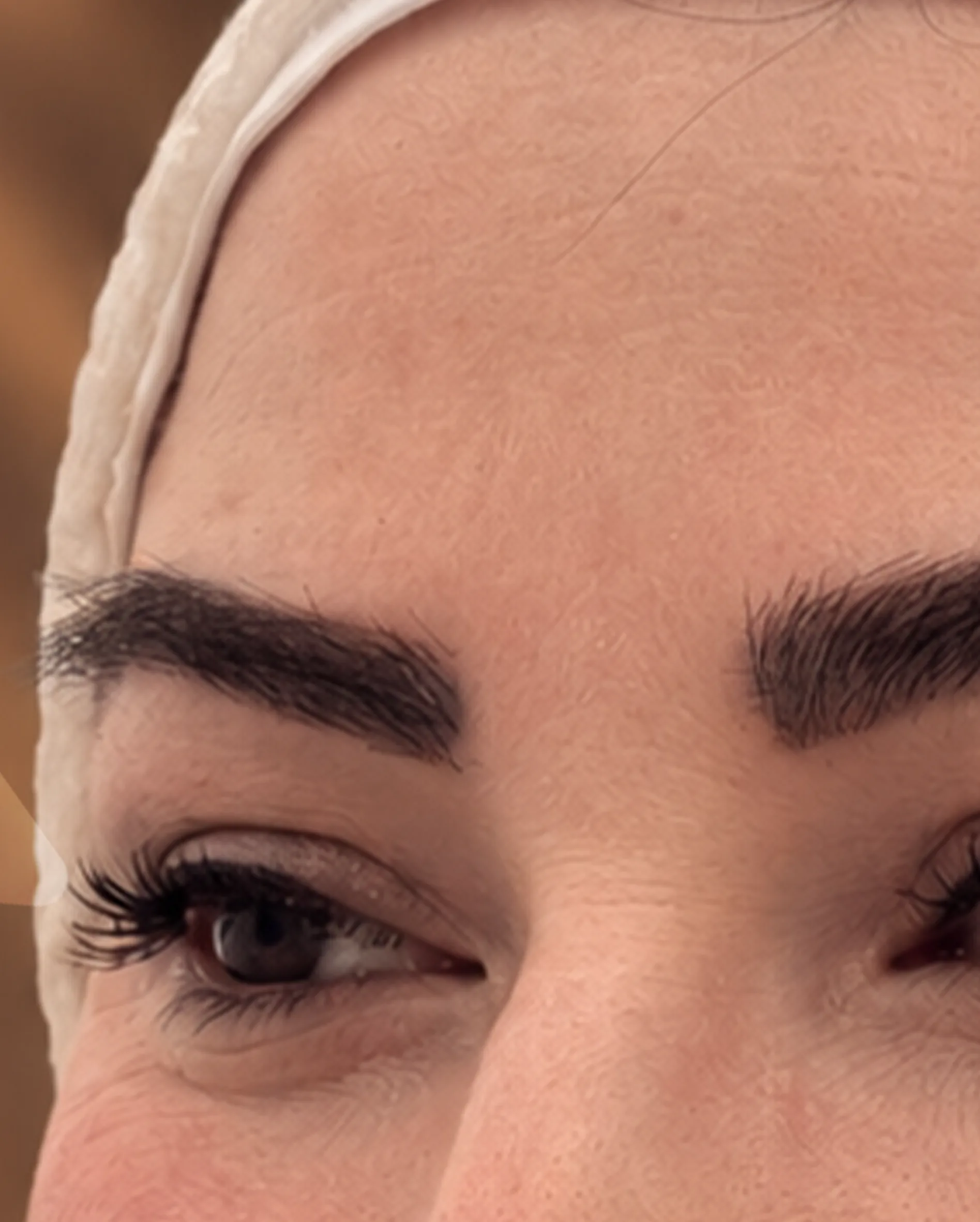
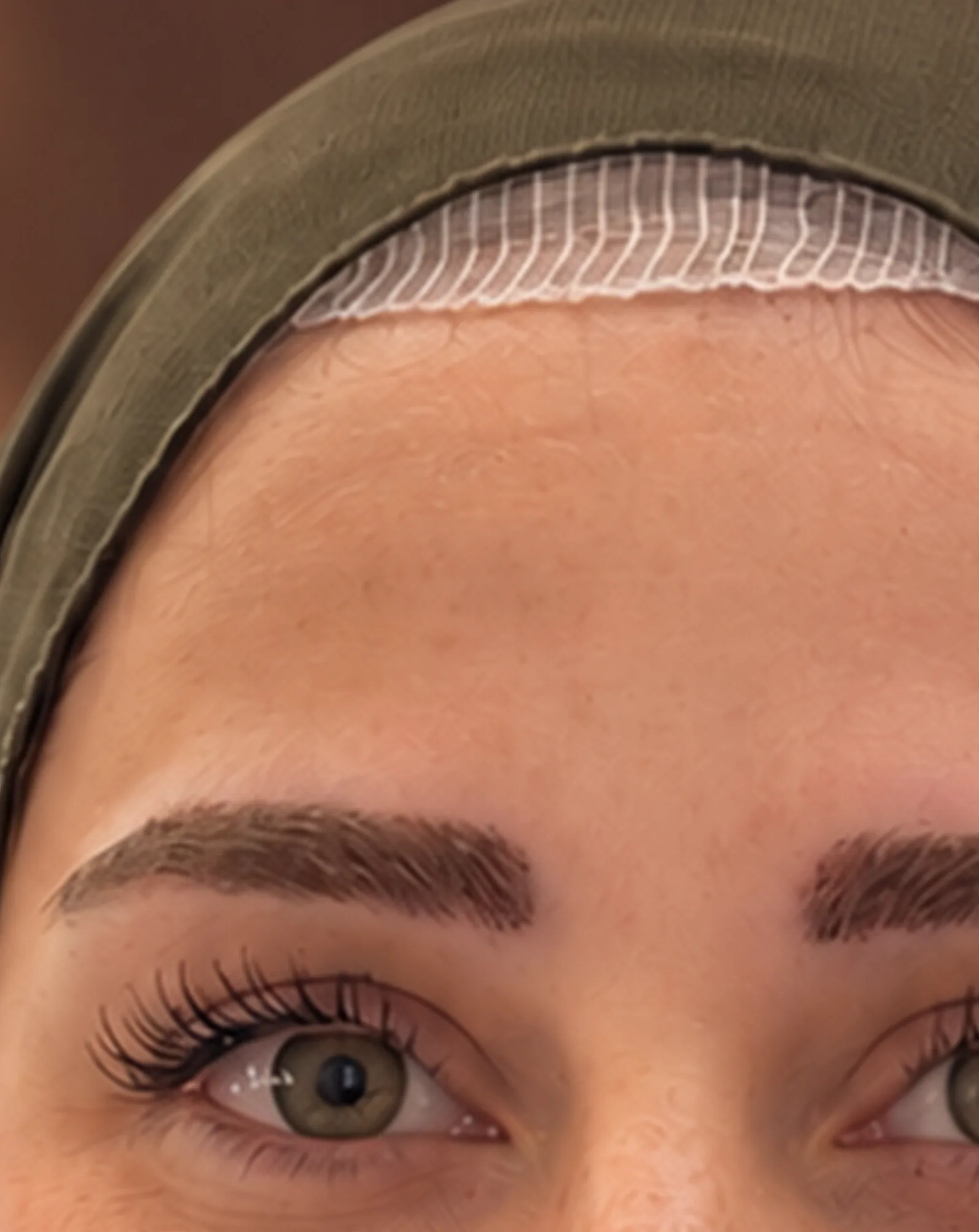
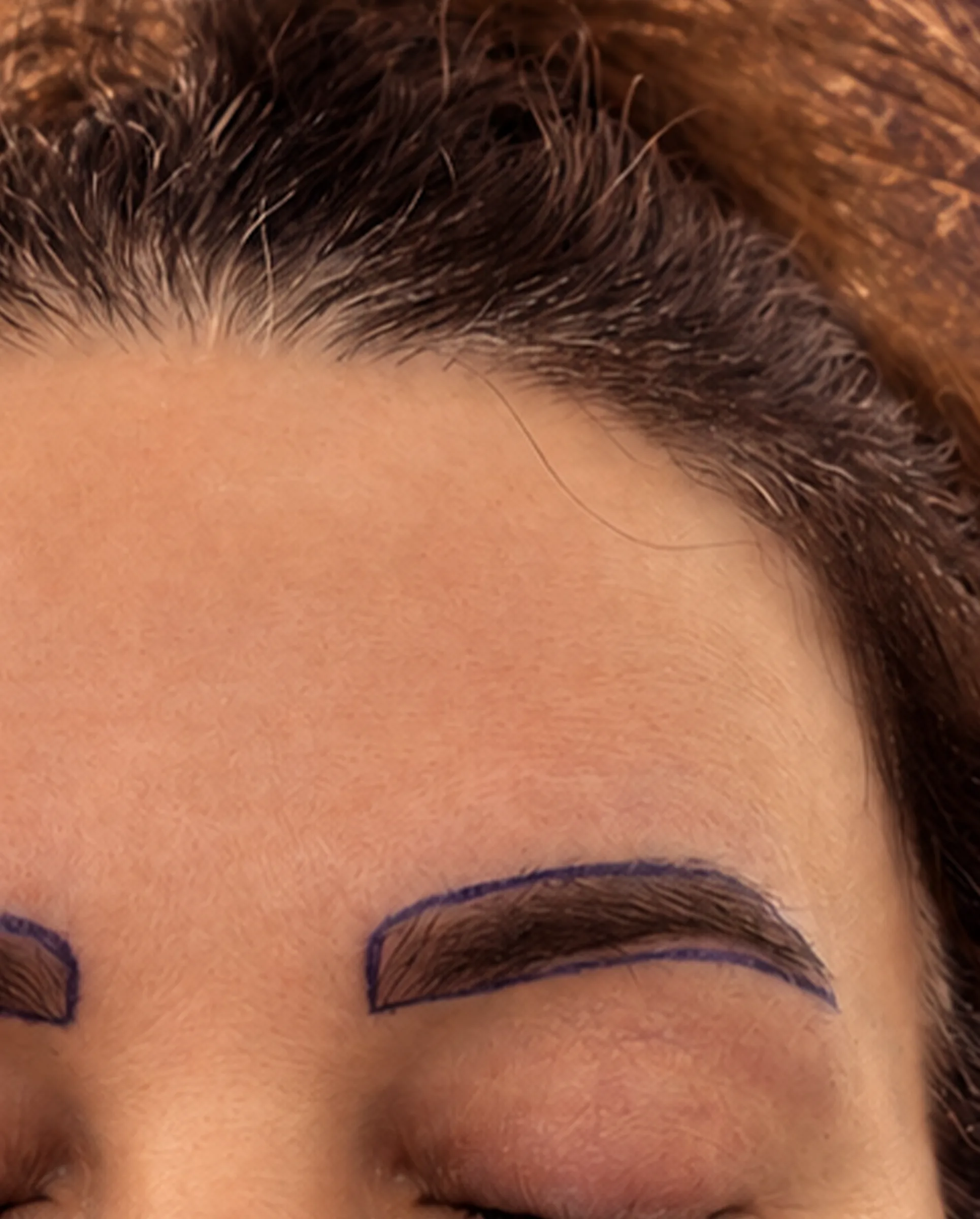
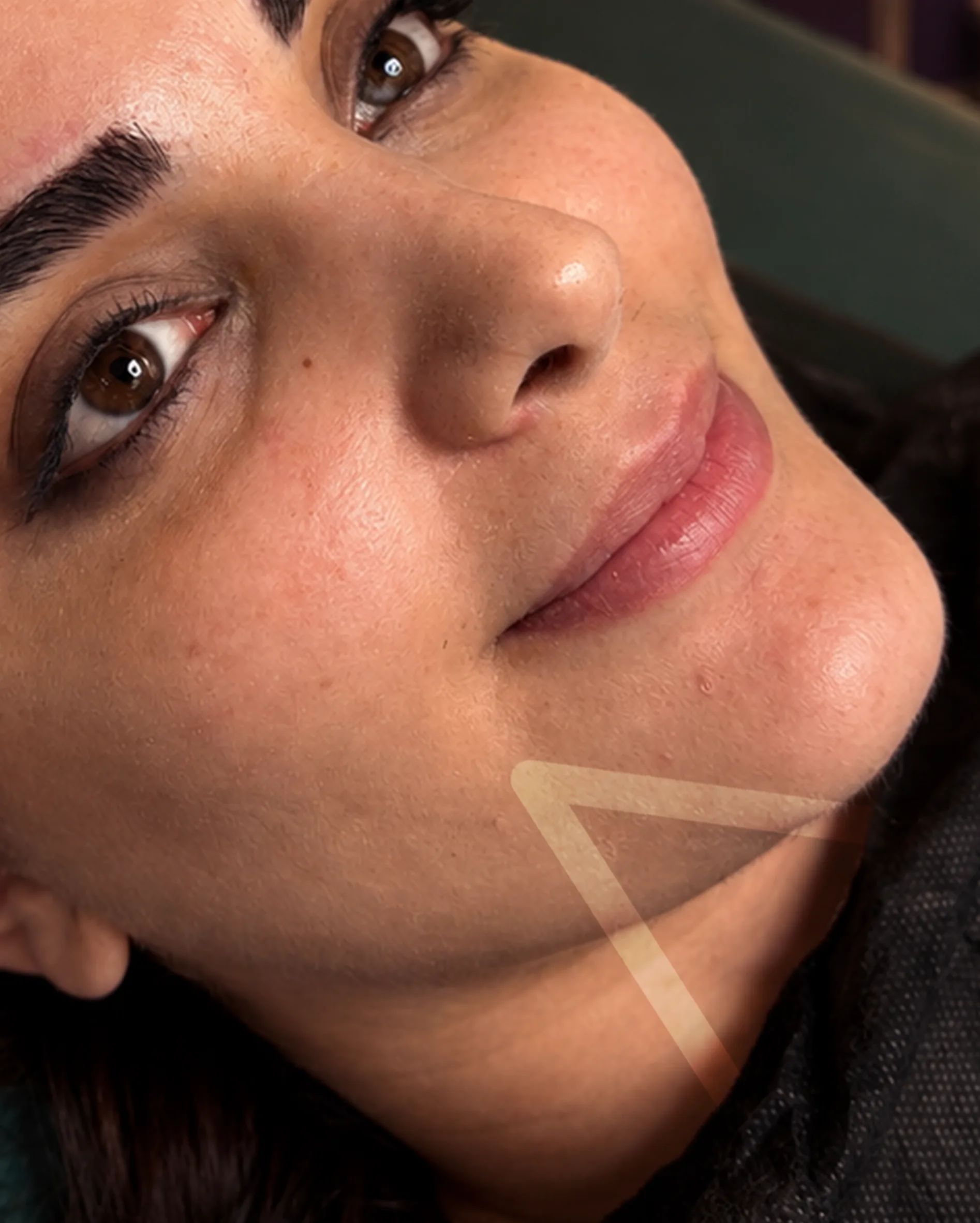
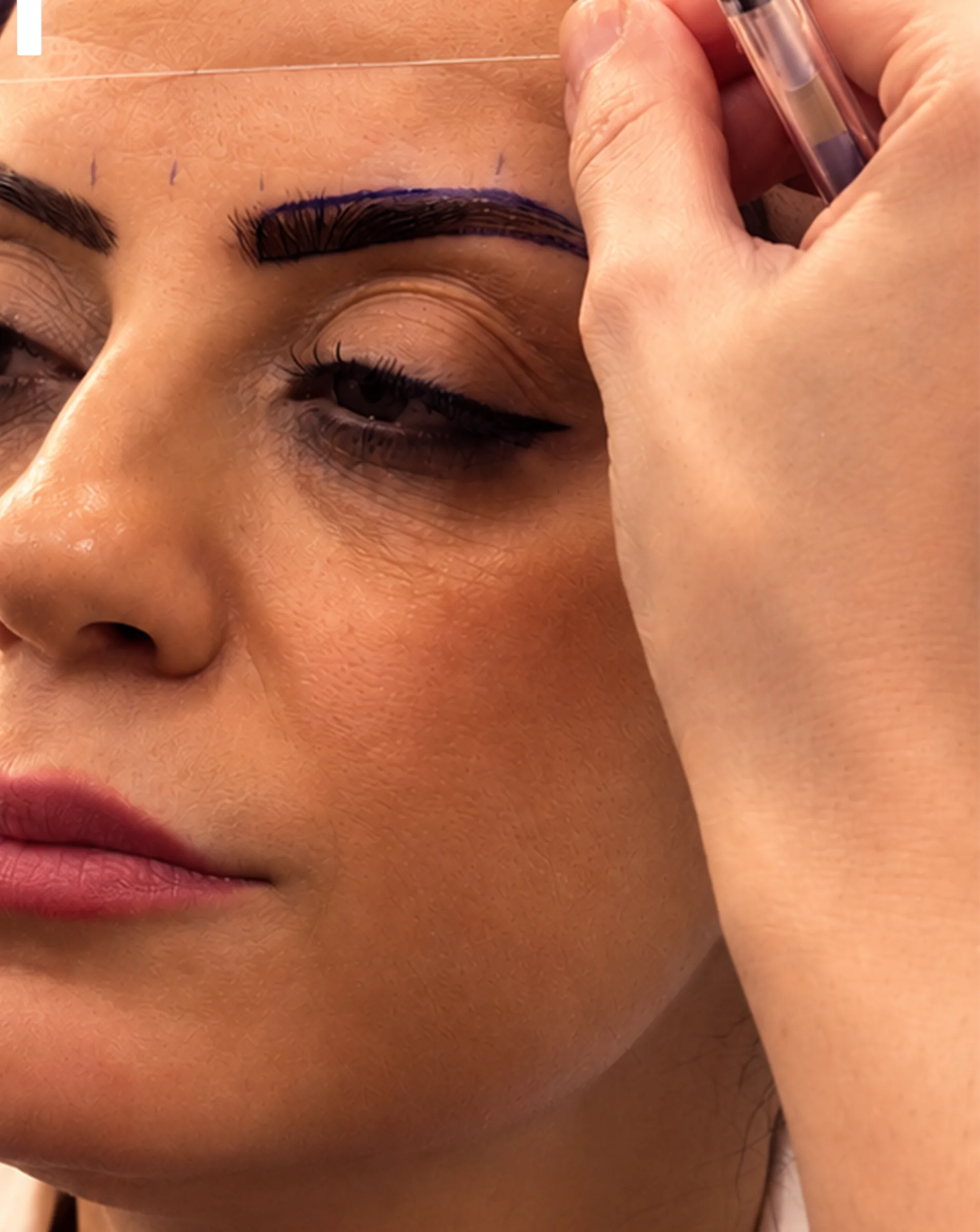
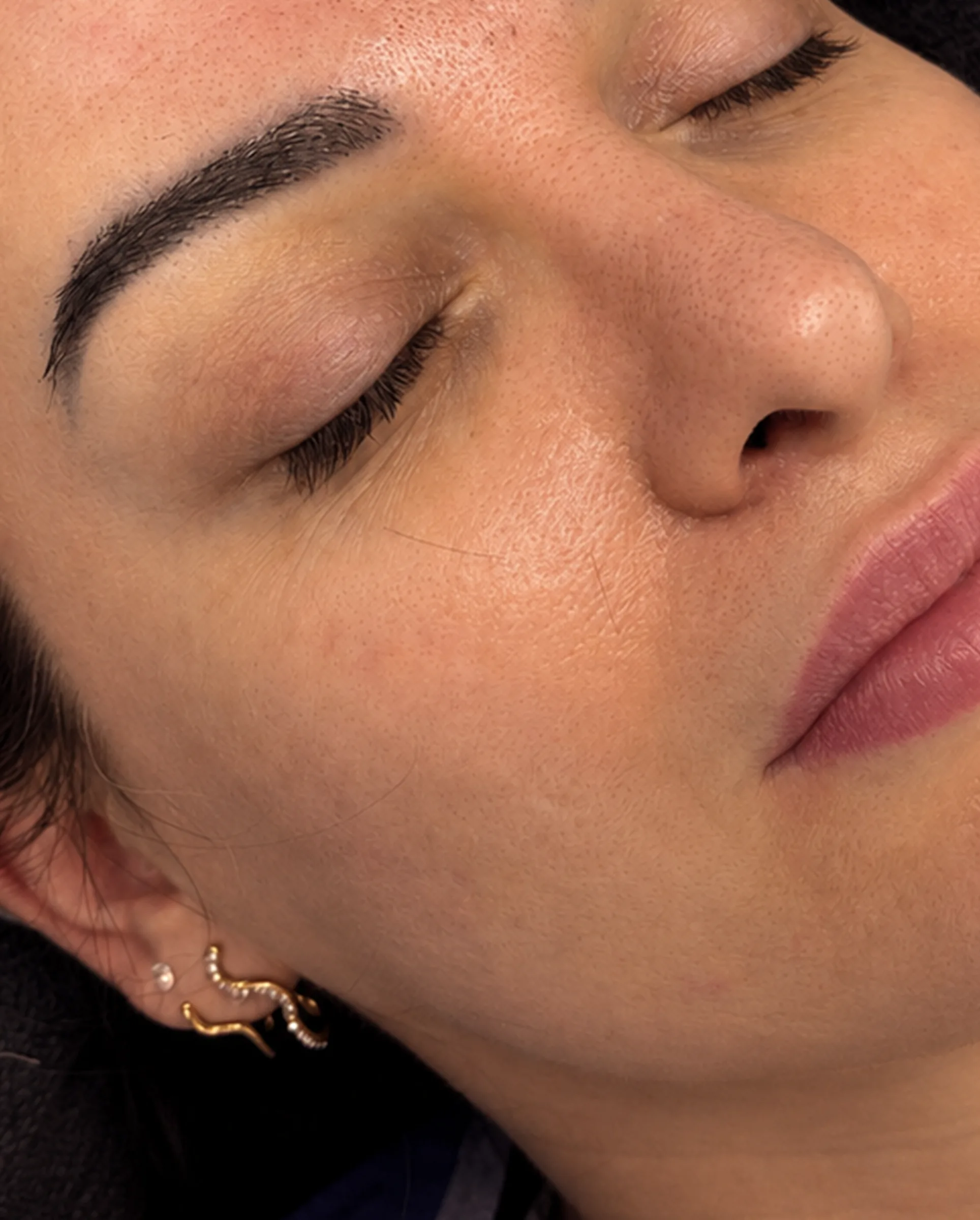
Years of tweezing in the nineties and two-thousands permanently damaged follicles. Microblading covers it, but it is pigment: it fades and must be redone. A transplant uses your own hair, and it grows.
Alopecia areata, thyroid conditions, chemotherapy, trichotillomania, burns or surgical scarring. This is restoration, not enhancement, and I treat it as such. Some causes must be stable before a transplant is appropriate.
Some people simply never had density there. If your donor hair is suitable, this is one of the most straightforward cases I see.
Most of my international patients have already decided to travel. What they want to know is who is actually holding the instrument, whether the facility is real, and what happens once they are home again. All three are answerable, and I answer them before you book a flight.
Grafts are taken one at a time from an area where the hair most resembles brow hair, and placed one at a time into a shape we have drawn and agreed before anything begins. Brow hair lies almost flat against the skin, so the angle of each graft matters more than the count.
Local anaesthetic is used and you are awake throughout. Most people report pressure and sound rather than pain, and find the anaesthetic itself the least pleasant part. There is usually some soreness afterwards. I will not tell you that you will feel nothing.
A transplanted follicle is your own hair, and it grows. It is generally retained, but I do not describe any result as permanent: the hair ages with you, and if the cause of your original loss is still active it can continue to affect the area. What I can say is that it is yours and it grows.
Swelling, redness and crusting are most obvious in the first days and then settle. When you feel ready to be seen is personal, so I would not plan anything that matters for immediately afterwards. The full timeline, given as approximate ranges, is on the recovery page.
Yes, and it is what I am asked in a panic more than anything else. Most transplanted hairs shed in the first weeks. What sheds is the hair shaft; the follicle stays under the skin, rests, and then regrows. On its own it does not mean a graft has failed.
Usually from the back of the head, where I can select the fine single hairs that most closely match brow hair. That hair keeps its own habits: it may grow faster and longer than brow hair, so it needs regular trimming. Most people get used to that quickly.
Eyebrow transplant ·
Comparisons ·
Eyebrow transplant ·
Eyebrow transplant ·
Eyebrow loss ·
Eyebrow loss ·
A consultation costs you nothing and commits you to nothing. If you are not a candidate, I will tell you at that point — and I will tell you why.
I use the cookies the site needs to work. Measurement and marketing cookies load only if you agree to them. Refusing restricts nothing — the whole site, including the form, works exactly the same either way. Read the cookie policy